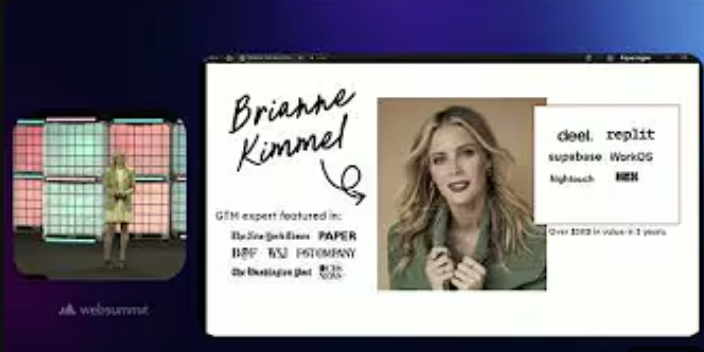
Adapted from Worklife founder Brianne Kimmel's keynote at Web Summit Rio. Listen to the full talk here.
2025 was an insane year for AI companies. We saw $100M Series A's. For the first time in history, we saw $20M pre-seeds. We saw companies with real traction raise two enormous rounds, one right after the other. Look back over the last ten years and you can watch startup funding climb steadily — then go exponential the moment AI arrived.
But the money was never the story. Behind the headlines, these companies are growing faster than anything that came before them. What used to take two decades — getting to a billion in revenue — now takes a couple of years. This is the golden age of applications: start an AI app today and you can go from zero to $100M ARR and build something large and enduring. Anyone can start something. Anyone can get to billions.
And then this year, the questions started.
Every day there's a new headline — Anthropic kills a hundred startups, OpenAI moves into consumer fintech and steals marketshare from startups — and another model announcement is probably landing while you read this. With every release, the founders just getting started have to ask what it means for them. What happens to consumer fintech, to mental health, to every category where people now open ChatGPT first?
It has never been easier to build. That's the good news and the hard news in the same breath. Anyone can spin up an app in minutes, which means the moment you're in market, the competition arrives. The mega-rounds box out the smaller players. The well-funded teams are already thinking global, already shipping internationally, already operating at a scale you haven't reached.
So here's the real question: how do you build a trillion-dollar company from zero, starting today, far from Silicon Valley, with all the odds apparently against you?
Outsiders become insiders
Here's the reframe. Every industry is being disrupted right now, and not from the top.
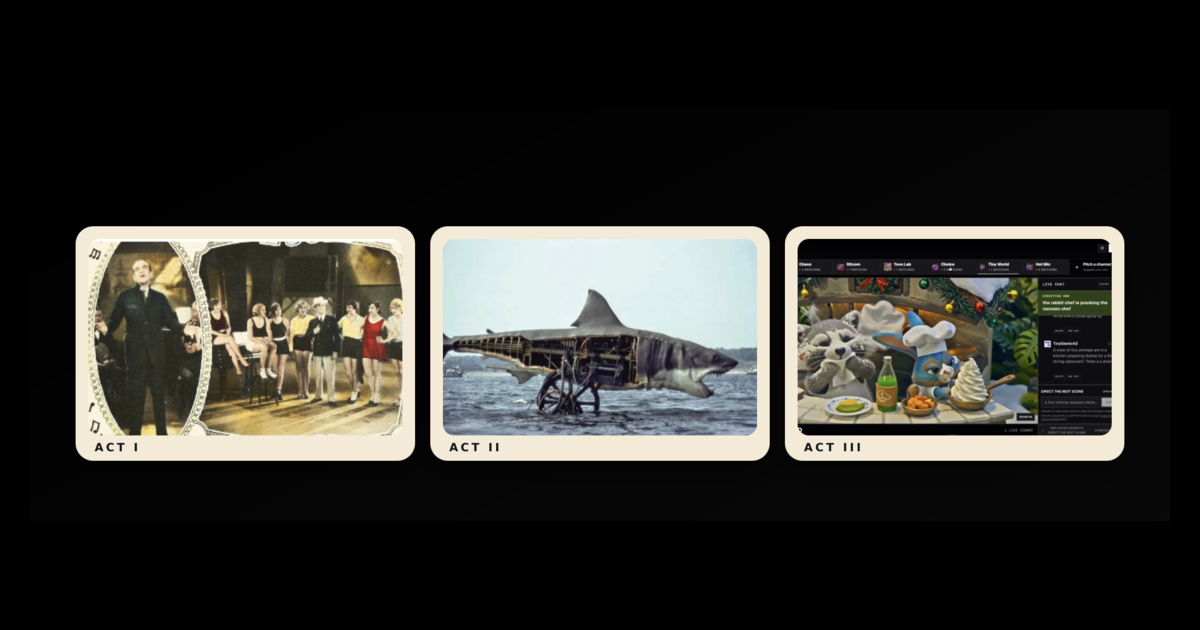
Look at Hollywood. You can have a franchise like Star Wars — studio budget, marketing budget, the best talent money can buy — and make a good film. But someone with a fraction of the budget and a genuinely good idea can now make more, with less. A hundred-year-old company that everyone knows and loves can be disrupted by a twenty-six-year-old making their first film. The same is true in software.
We've entered a world where a good idea can outperform the biggest, best-funded institutions on the planet. It's outsiders becoming insiders. The best builders win.
You can start the next trillion-dollar company today. It just takes a completely different mindset — and a different playbook. That playbook is distribution.
There's no category yet, and that's the point
By the time "vibe coding" had a name, Cursor was already a $10B company, Anthropic had already shipped Claude Code, and Replit and Lovable were already unicorns. The category showed up years after the companies did.
That's the pattern. On average, by the time a category gets a name, it's already five to six years in the future. So if you're building something today and there's no obvious category for it, that's not a problem to solve — it's the whole opportunity. It means you're living ahead of everyone else, and your job is to get the rest of the world to catch up.
Creating a category is mostly an act of communication, and for technical founders that's usually the uncomfortable part. You have to write, and you have to do it constantly. You have to evangelize what you're building and be completely unashamed of the problem you're solving. Every conference you speak at, every dinner you go to, every post you publish — until people can repeat back exactly what you stand for. Start with the post that names your problem and your worldview, and then say it again next week.
There are no shortcuts with customers
My friend Stein started an AI company for doctors' and dentists' offices. The headline says he raised $47M, and the natural reaction is to assume a secret: prior VC relationships, a second-time-founder halo, some shortcut.
The actual secret was six years of showing up. He drove five and six hours to sit in those offices. He spent days a week beside doctors, documenting everything they did — twelve-hour days, plus evenings and weekends, learning the work so thoroughly that he understood exactly where AI could help.
That's what distribution really starts as: knowing who you build for and who you sell to better than anyone else alive. There are no shortcuts here, and there's nothing to outsource. The round is downstream of the relationship — so pick the customer you're building for and go physically sit with them. Watch the real work. Build alongside them, not alongside your idea of them.
Build a movement, not a product
Once you've named the category and grounded yourself in real customers, distribution becomes about momentum — turning users into a community that carries you forward. This sounds daunting, but it's built in small, scalable steps.
Go where your users are. Everyone's online, but the real edge is getting on the road. Cursor does this beautifully — hundreds of events a year, in Bogotá, in Rio, in New York. They rent out a coffee shop, teach people how to use the product, and head home. It barely costs anything; you can run it out of a WeWork. The venue was never the point. Putting your users in a room where they experience both your product and your people is — a one-to-one relationship they can lean on long after they leave.
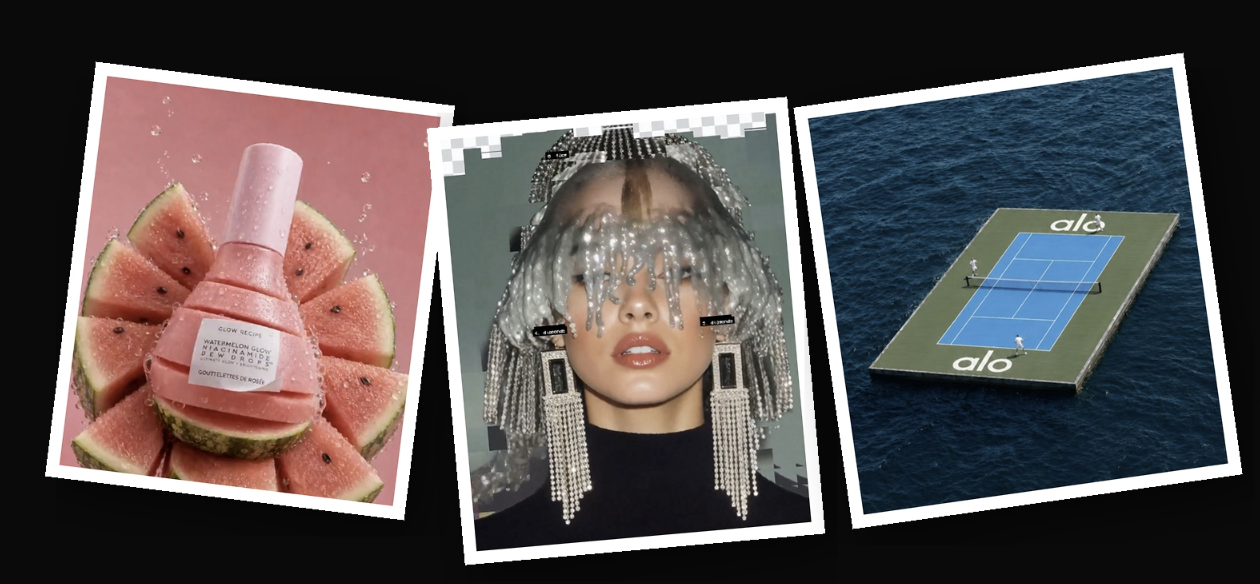
Design the experience. The details that feel trivial aren't. Swag is a tell: are you handing out another mug, or did you print a customer's own design on a scarf? Bring your community into every part of your go-to-market. The old model was build a great product, then push it out. The new one is build with your customers and celebrate the work they do inside your product.
Go global from day one. AI just dissolved the language barrier. Cheap translation tools and voice AI can localize your website and your content instantly, so there's no reason to launch in one language and "expand internationally" later. Launch broad, host local events, and grow a distributed community of people who love what you do — everywhere at once.
A single product isn't enough, you need to build an ecosystem
A category, a customer base, and a movement only compound if you keep giving people reasons to stay. To build a massive product company today, you need many products and many buyers, and a steady drumbeat of things to look forward to throughout the year.
ElevenLabs is the model. There's a consumer side built on free, delightful products — text-to-speech, dubbing, turning any podcast into any language — that gets people excited and in the door, alongside everything sold to businesses. New features, new products, new reasons to keep paying attention. That cadence is what turns a community into an enduring business. If the next six months on your roadmap are empty, that's the gap to close.
Being underestimated is a superpower
Here's what I want you to take away: almost nothing in this playbook depends on funding.
Clearly communicating your problem and writing more — you can do that today. Going to sit beside your customers — today. Getting on the road and designing experiences where community is the point — today. Every conversation can become a piece of content. Every mention on social media can feed back into your strategy. Every action you take pours back into the community, which only gets bigger, more global, and more yours over time.
The odds aren't actually against you. The tools, the reach, and the openings have never been more available to an outsider with a good idea. The categories of the next decade don't have names yet.
Go name one.